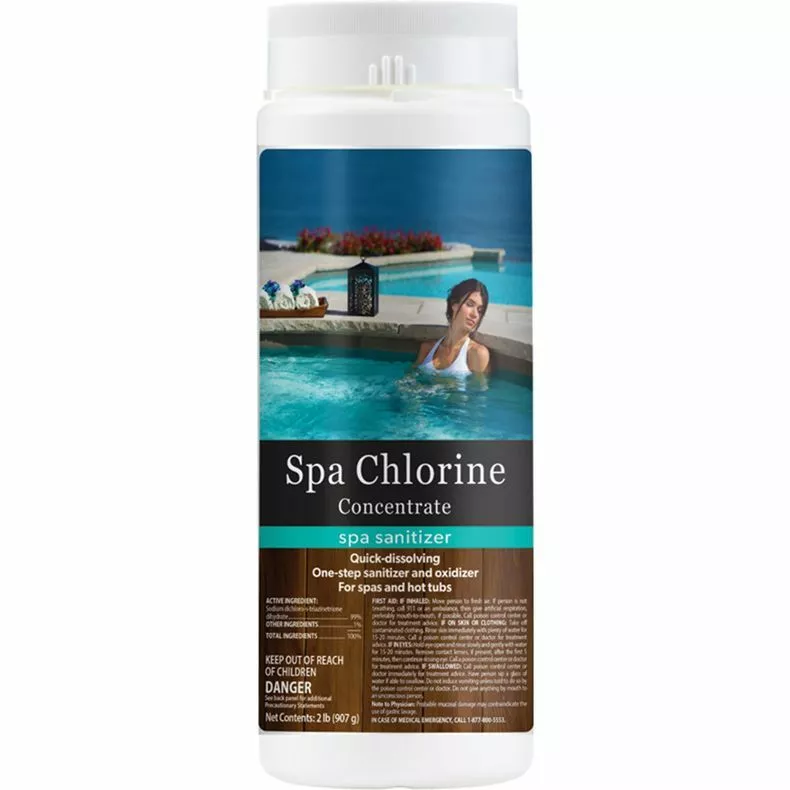
Standard Chlorine
No floating dispenser, no salt menu on the control panel — just you and a bottle of granules. The most common setup, and the one most new owners inherit.

The Hot Tub Shine Owner's Guide
Just bought a house with a hot tub in the backyard? You're exactly who this page is for. No chemistry degree, no jargon — pick your tub's system below and this guide personalizes itself: what to add, how much, when, and what every number means. And when you'd rather not think about any of it, that's literally our job.
Start here
Everything on this page tunes itself to your answer. Don't know? That's normal — here's how to tell in ten seconds.
No floating dispenser, no salt menu on the control panel — just you and a bottle of granules. The most common setup, and the one most new owners inherit.
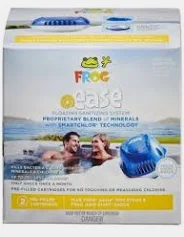
Look for a round floating dispenser with a frog on it. It feeds sanitizer automatically — your readings are SUPPOSED to look low. Big deal to know this.
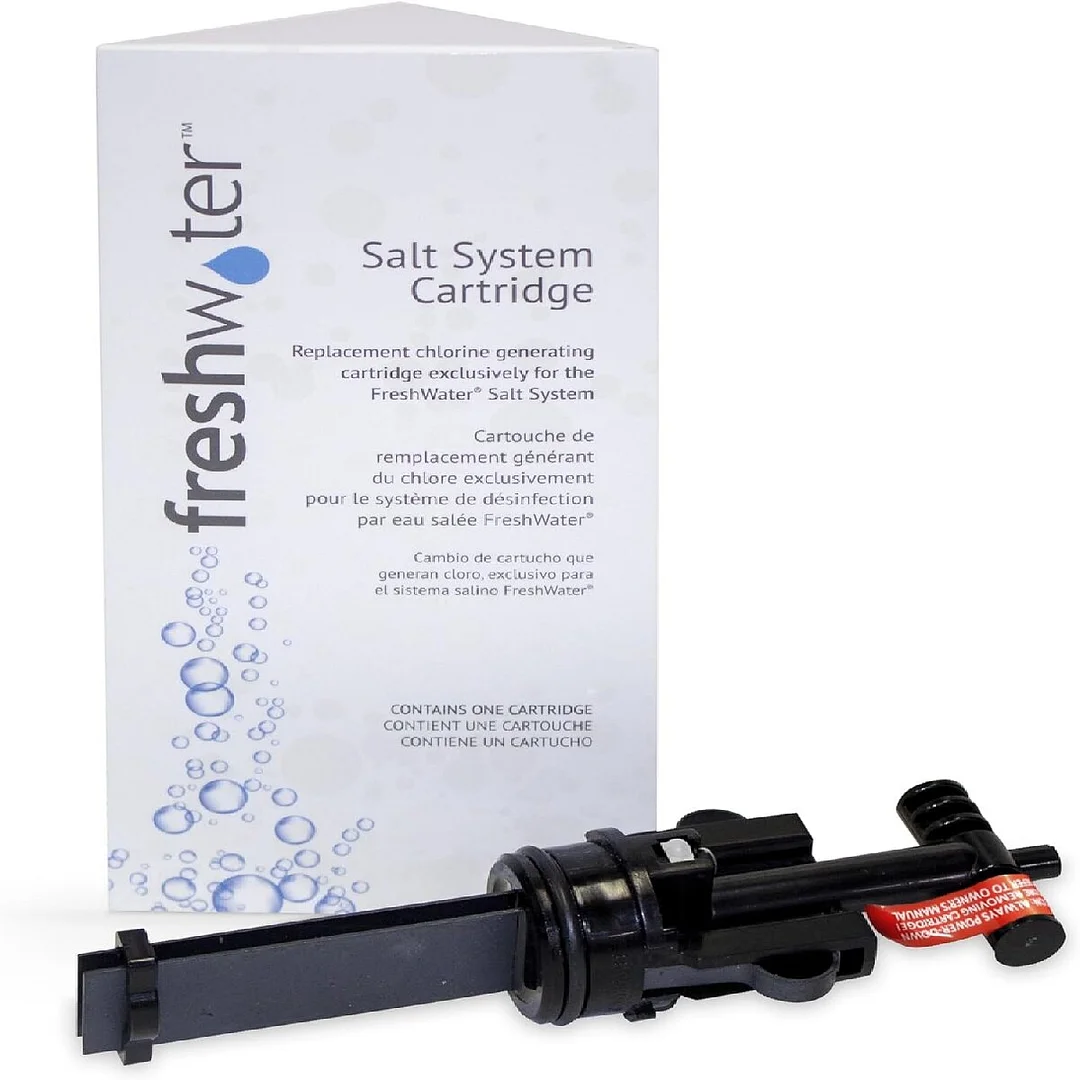
Hot Spring or Caldera tub with a salt reading on the control panel and a cartridge under the water line. Softest feel, longest water life, one big calcium rule.
Still not sure? Text a photo of your floater or control panel to 253-468-2888 — we'll identify it in minutes, free.
Just had service?
After a drain & fill or maintenance visit, your water is professionally balanced. Here's how to keep it perfect while everything settles in.
Keep the cover on and let the jets run their normal filtration cycles. Fresh chemicals need a few hours of circulation to fully blend and register accurately on a test strip.
Dip a test strip and confirm sanitizer is in range and pH is 7.2–7.8. If we shocked your water, wait until chlorine drops below 5 ppm before getting in.
On a chlorine tub, add roughly 1 teaspoon of dichlor granules per person after each use, jets on and cover off for 15–20 minutes. Frog @ease and salt systems handle this automatically.
Test 2–3 times this week while the tub finds its balance, then follow the weekly routine below. Bookmark this page — it's your reference between visits.
Know your numbers
Drag each slider to your latest test-strip reading — each card tells you exactly where you stand and what to do about it. In plain English.
Test like a pro
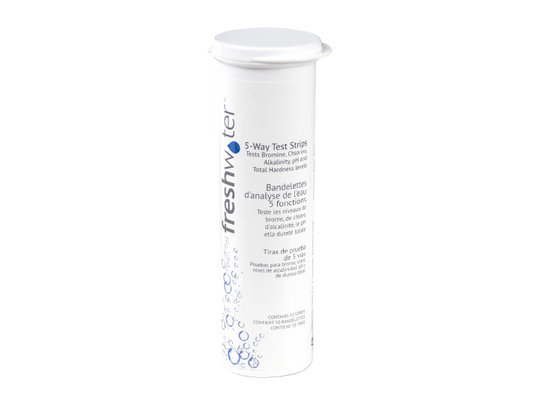
Test strips are your dashboard. We stock FreshWater 5-Way strips — they read bromine, chlorine, alkalinity, pH, and total hardness in one dip.
With jets off, dip the strip about 12″ below the surface for 2 seconds. Surface water lies — it's warmer and gassier than the rest of the tub.
Remove it pads-up, give one gentle shake, and hold it level. Don't wipe the pads or dunk it twice — both skew the reading.
Compare against the bottle chart in natural light. Colors keep developing, so read promptly.
@ease strips have a SmartChlor pad. Darker than the label = you're fine. Lighter = time for a new SmartChlor cartridge. A "low" 0.5–1 ppm reading is normal and correct on this system.
One reading is a snapshot; three readings are a story. If pH keeps drifting the same direction, that's the trend to fix — or a thing to mention on our next visit.
Dosing calculator
Tell it your tub size and your test reading — it answers in kitchen measurements. No guesswork, no chemistry degree.
Not sure? Length × width × depth (feet) × 7.5 ≈ gallons. Most 6-person tubs are 350–450.
Doses are standard industry guidance rounded to kitchen measures. When your product label disagrees with this calculator, trust the label. Add chemicals with jets on and cover off for 15–20 minutes, and never mix chemicals together before adding.
Your care rhythm
Fifteen minutes a week is the whole job. Check items off as you go — this page remembers your progress. Print it and stick it near the tub.
Drain & fill planner
Every soak adds dissolved solids that chemicals can't remove. The pros use a simple formula for when it's time: gallons ÷ daily bathers ÷ 3 = days between drains.
Two people, every other day? That's 1 per day. Daily couple's soak = 2.
The Hot Tub Shine shelf
Everything here rides on our truck. Tap "Add to my list" and it attaches to your next booking — we deliver with the visit.
Minerals + SmartChlor holding a gentle 0.5–1 ppm automatically. SmartChlor every ~3–4 weeks, minerals every 4 months.
Dichlor granules — the workhorse. About 1 tsp per person after each soak keeps standard tubs at 1–3 ppm.
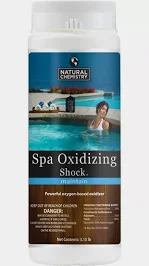
Weekly reset button. Burns off oils and spent sanitizer without raising chlorine — soak again in 15 minutes.
Five readings in one 2-second dip. The single most important $15 in hot tub ownership.
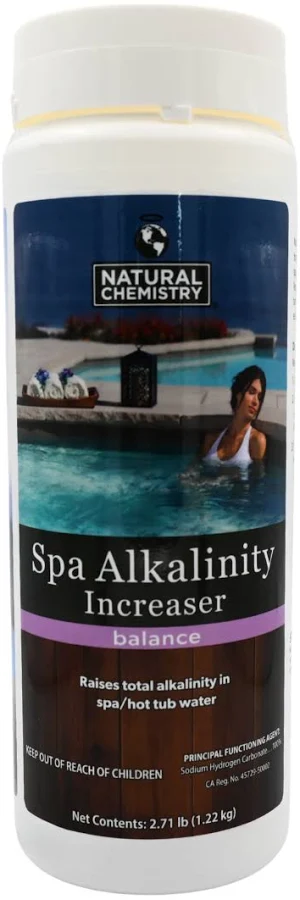
The anchor. Keeps alkalinity 80–120 ppm so your pH stops bouncing. Always the first correction.

Lifts acidic water back to the 7.4–7.6 sweet spot before it corrodes heaters and stings eyes.
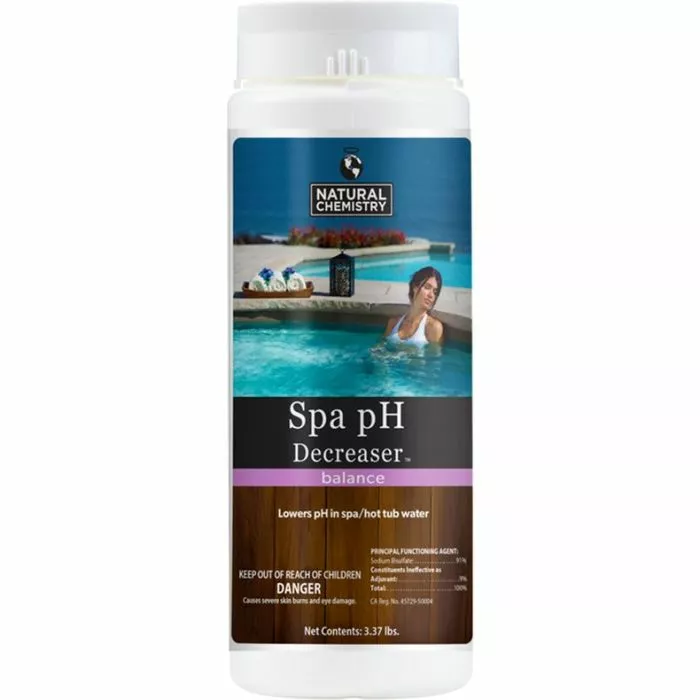
Brings high pH down before it clouds water, forms scale, and cripples your chlorine.
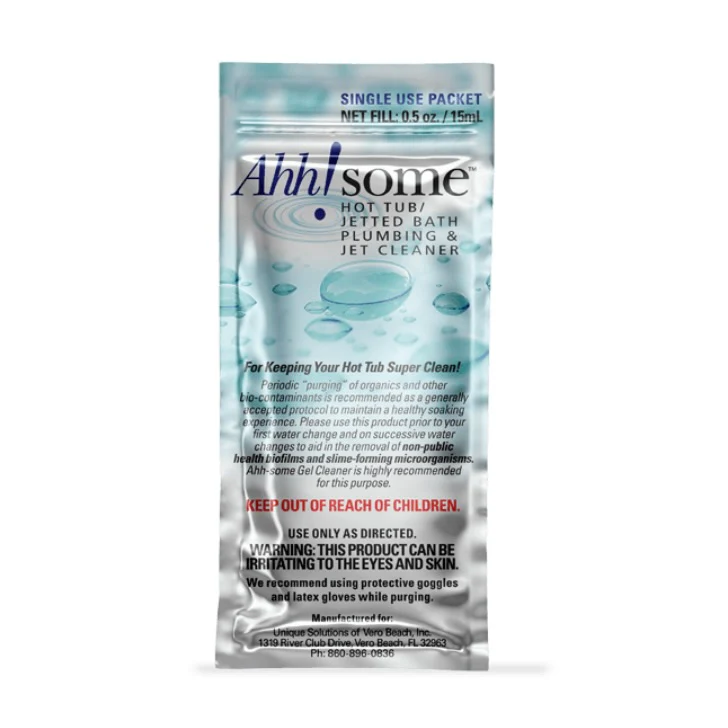
Strips hidden biofilm out of the plumbing before a drain & fill. We use it on every deep clean.
Water troubleshooter
Tap the symptom. Get the cause, the fix, and an honest answer on when it's a DIY job versus a call-us job.
Go deeper
The troubleshooter above gives you the fast answer. These guides go further — every cause explained, sorted from the fixes that don't apply to yours.
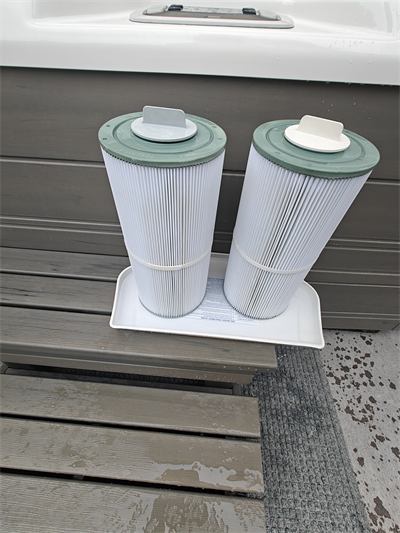
Filter, chemistry, or old water — the fast way to tell which one you've got.
Read the guideFour different kinds of foam, four different fixes — and why defoamer never solves the real one.
Read the guide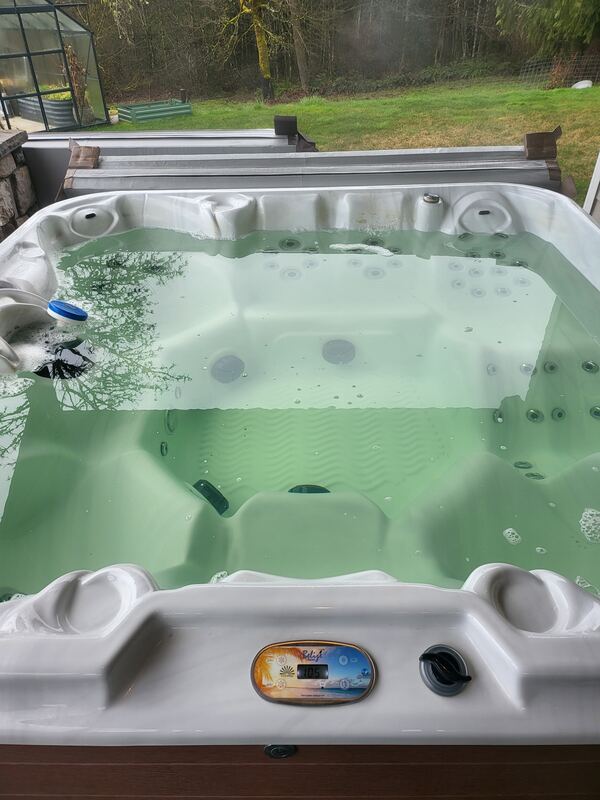
Algae, metals, or just bad lighting — here's how to tell, and what actually fixes each one.
Read the guide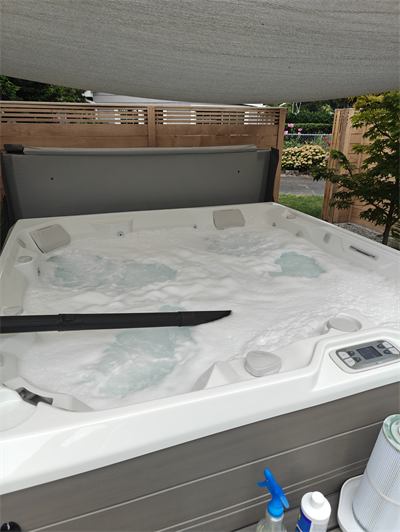
Sharp chlorine smell or musty funk — they mean opposite things. Here's how to tell which you have.
Read the guideMore guides — system troubleshooting, biofilm & purging, drain frequency, and filter care — are on the way.
Northwest water care
The Pacific Northwest is glorious hot tub country — and it throws three specific curveballs at your water.
Rain sneaking past the cover drops your pH and feeds phosphates into the water. After big storms, test pH and sanitizer, and keep cover seals in good shape. A tight cover is your cheapest chemical.
Leaves and fir needles are algae fertilizer — they spike sanitizer demand and phosphates. Skim promptly, rinse the filter more often in October–November, and consider a monthly phosphate check.
Never leave a tub drained and off in freezing weather. Keep it at temperature, watch the water level so pumps never run dry, and brush snow off the cover. Going away in a cold snap? Ask about freeze-season check-ins.
Water care FAQ
After routine dichlor doses, wait about 20–30 minutes with the jets running and cover off, then confirm chlorine is 5 ppm or below. After MPS (non-chlorine) shock, 15 minutes is typically enough. After a heavy chlorine shock, wait until the strip reads 5 ppm or less — usually several hours to overnight.
Probably not — that's the system working. SmartChlor holds a steady 0.5–1 ppm, which reads "low" on standard strips. Use the @ease strips: if the pad is darker than the label reference you're fine, lighter means swap the SmartChlor cartridge.
That sharp smell is chloramines — used-up chlorine — not too much of it. The counterintuitive fix is to add sanitizer or shock, which burns off the spent chlorine. Fresh, properly sanitized water barely smells at all. Full explanation, the CDC source behind it, and what a musty smell means instead: Hot Tub Odor That Keeps Coming Back →
104°F is the maximum safe temperature — and 15 minutes is the recommended limit at that heat. Soaking with kids? Keep it 98°F or below and limit them to 10–15 minutes. If you're pregnant, talk to your doctor and stay under 102°F.
For standard chlorine tubs, yes — dissolved solids and cyanuric acid build until chemicals stop working, and no additive removes them. The planner above personalizes it to your usage. FreshWater Salt and @ease systems with well-balanced water can stretch considerably longer — up to about a year on salt systems.
Please don't. Bleach wrecks filters and covers, and even a trace of dish soap becomes a foam machine at 102°F. Use spa-specific filter cleaner, a pH-neutral cover cleaner, and rinse swimsuits in plain water instead of detergent. Full breakdown of all four foam types and why defoamer only masks the cause: Why Is My Hot Tub Foaming? →
We test and balance all five numbers, add whatever chemicals are needed, rinse or rotate your filter, wipe the waterline, and check the cover and equipment for early warning signs. You get a note of exactly what we did and what we dosed — so this guide and our visits work off the same playbook.
Rather leave it to us?
Weekly and bi-weekly water care from $80/visit, drain & fill packages, and chemical delivery across the South Sound. This whole page, done for you — with photo updates available on request.